
Whole-Home Generators in Lancaster, PA
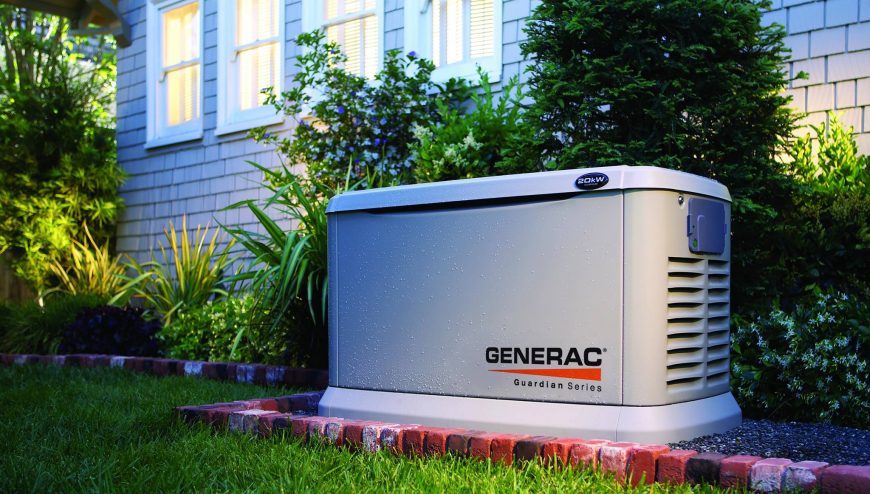
When the lights go out, life doesn’t have to stop. At Lancaster Plumbing, Heating, Cooling & Electrical, we provide whole-home generator installation, so you can keep your family safe, comfortable, and connected during unexpected outages. We provide standby generator installation in Lancaster, York, and Lebanon, PA.
With a whole-home generator or a standby generator, you’ll never have to worry about spoiled food, a flooded basement, or losing heat and air conditioning again. One call to our locally trusted team, and you’ll have peace of mind knowing you’re prepared for anything. We offer free estimates on installation and flexible financing options, making it easy to secure reliable power for your home.
Contact us to request a free estimate on whole-home generator installation.
Generator Installation & Replacement in Lancaster, PA
Whether you’re looking to install a new generator or replace an existing one, our expert team is equipped with the knowledge and skills to keep your home powered through outages.
Our skilled technicians guide you through the entire process, from selecting an appropriately sized generator that fits your home’s energy requirements to choosing the best location for installation.
For homeowners looking to upgrade or replace an outdated system, we provide thorough assessments to recommend the most efficient solutions. Each installation is tailored to integrate flawlessly with your existing electrical system, providing a dependable power source that keeps your home running smoothly during outages.
Top Benefits of a Whole-Home Generator for Your Home
Installing a whole-home generator is an investment in reliability and peace of mind. With a whole-home generator standing by to power your Lancaster home, you’ll enjoy:
- Uninterrupted power: Essential appliances and systems, such as heating, refrigeration, and medical equipment, will remain operational during outages.
- Increased property value: Adding this highly desirable feature will enhance your home’s marketability and appeal.
- Enhanced comfort and safety: Maintain comfortable living conditions and prevent weather-related hazards during power failures.
- Automatic operation: A whole-home or “standby” generator activates immediately when power cuts off, providing uninterrupted power without you needing to do anything.
- Financial savings: Uninterrupted power helps you avoid costs associated with temporary relocation and spoilage during extended blackouts.

Why Whole-Home Generators Are Essential for Rural Areas
In rural areas, a whole-home generator is a necessity. Rural homes are often the last to have power restored after outages, which can be prolonged due to the distance from city infrastructures.
A generator keeps well pumps operating for continued water supply, maintains heating or cooling systems during extreme weather, and powers communication devices that are crucial for emergencies.
Investing in a whole-home generator or a standby generator gives homeowners peace of mind by safeguarding their family’s security and comfort through the harshest conditions.
Call Lancaster Plumbing, Heating, Cooling & Electrical Today
Since 1904, our family-owned and locally operated company has provided quality electrical services to homeowners across Lancaster, York, Lebanon, and the surrounding areas.
With Lancaster Plumbing, Heating, Cooling & Electrical, you benefit from free estimates on replacements, upfront pricing, and flexible financing options, all tailored to make your generator installation experience seamless and stress-free.
The next power outage doesn’t have to disrupt your life — contact us today to discuss your needs and discover how a whole-home generator can enhance your comfort and safety.
Call our expert electricians or schedule online to request a free estimate on a whole-home generator in Lancaster.
Frequently Asked Questions About Whole-Home Generators
Here are answers to common questions about standby generator service in Lancaster County, PA. Contact Lancaster Plumbing, Heating, Cooling, and Electrical at your convenience with any more questions.
What is the difference between a whole-home standby generator and a portable generator?
A whole-home standby generator is permanently installed and can restore power automatically through a transfer switch when the utility goes out. A portable generator is movable, usually started manually, and typically powers a smaller set of items using cords or a dedicated inlet. Many homeowners in Lancaster County choose standby generators when they want reliable backup power without scrambling during storms or outages.
How is a standby generator connected to a home safely?
A standby generator is tied into your electrical system through a transfer switch. The transfer switch helps route power to your home during an outage while preventing unsafe backfeed to the utility lines. This setup is one of the main reasons generator installation should be handled by a licensed electrician who follows local code requirements.
How do you determine what size generator I need?
Sizing is based on what you want to run during an outage and how much power those loads need. A technician will review key circuits and large appliances, then recommend a generator that matches your goals without oversizing.
- Priority essentials (refrigerator, sump pump, well pump, lights, internet)
- Heating equipment and any medical devices
- High-demand loads like electric ranges, dryers, and central air
Getting the size right helps avoid nuisance shutdowns and keeps your backup power plan realistic.
Do I need permits or inspections for generator installation in Lancaster County, PA?
In many cases, yes. Permits and inspections may be required for electrical work and, depending on the setup, fuel connections and placement rules. A local generator installer can explain what applies to your home in Lancaster County and coordinate the steps so everything is installed to code.
Where should a standby generator be placed around the home?
Placement depends on safety clearances, airflow, property layout, and access for service. A common goal is to choose a spot that is close to the electrical and fuel connections while still meeting clearance requirements from doors, windows, and vents. A site assessment helps avoid issues like exhaust concerns, snow drift problems, or noise being directed toward frequently used areas.
Will my electrical panel need to be upgraded before installing a generator?
Sometimes. If the panel is outdated, crowded, or has known safety concerns, an upgrade may be recommended so the generator can be integrated properly. In other homes, the existing panel is fine and the work focuses on the transfer switch and related wiring. A quick evaluation by an electrician is the best way to know what your home needs.
What fuel options are common for standby generators in this area?
Many standby generators in Pennsylvania run on natural gas or propane. Natural gas can be convenient when service is available, while propane is common for homes that already use a propane tank. Fuel choice can affect runtime and placement, so it is worth discussing options during your estimate.
How long can a whole-home generator run during an outage?
Runtime depends on fuel supply, generator size, and how much your home is powering. With a steady fuel source like natural gas, the generator can run as long as fuel and the system are operating normally. With propane, runtime depends on tank size and usage. Managing which circuits run can help conserve fuel during extended outages.
What maintenance does a standby generator need each year?
Regular maintenance helps keep your generator ready when you actually need it. A typical service visit may include an overall inspection, fluid checks, battery testing, and verifying the system starts and transfers properly. If your generator runs often due to frequent outages, it may need service more often than a home that rarely uses it.