
Knob-and-Tube Wiring: Is It Dangerous?
If you own an older home, you may have heard the term “knob-and-tube wiring” during an inspection or renovation. The name alone can sound alarming, especially when insurance companies or electricians raise concerns. At Lancaster Plumbing, Heating, Cooling & Electrical in Lancaster, PA, we inspect older electrical systems. We can help homeowners understand whether knob-and-tube wiring in their house presents a real safety issue or simply requires monitoring.
What Knob-and-Tube Wiring Was Designed to Do
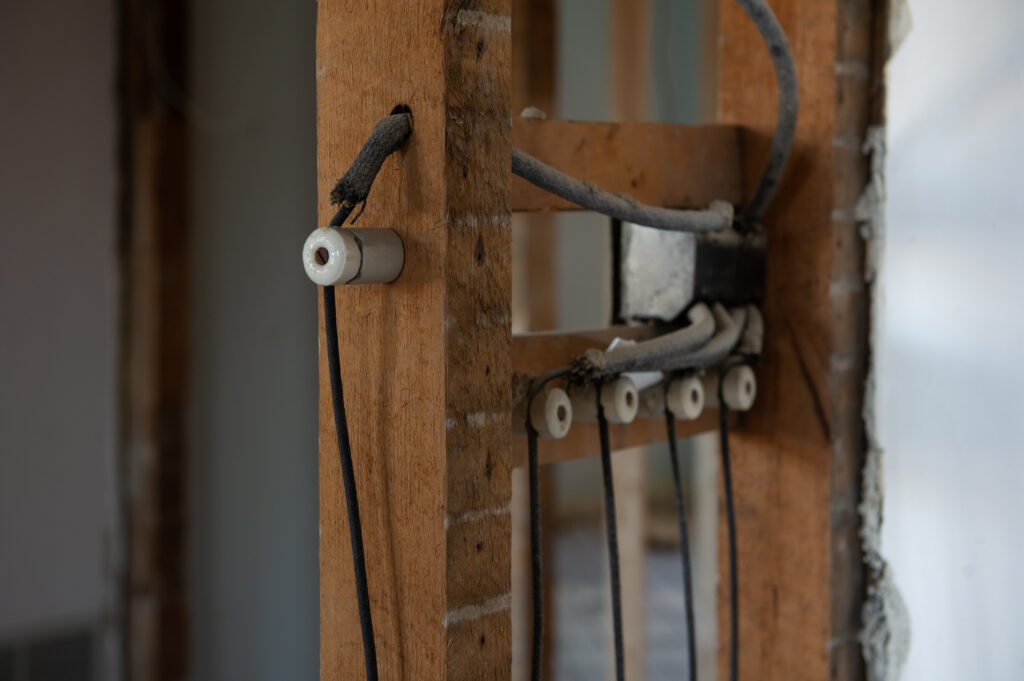
Knob-and-tube wiring was common in homes built from the late 1800s through the 1930s. Electricians ran single copper conductors through walls and ceilings, supported by ceramic knobs that held the wires away from wood framing. Ceramic tubes protected the wire when it passed through studs or joists. At the time, this method worked well because homes had limited electrical demand. Lighting circuits and a few outlets were the norm. Large appliances, entertainment systems, and kitchen gadgets did not yet exist.
The system was built to dissipate heat in open air. The wires were spaced apart and not bundled together. That spacing reduced heat buildup when electrical loads were light. When installed properly and left undisturbed, knob-and-tube wiring could operate safely under the conditions it was designed for. The issue today is not that the system was poorly engineered for its era. The issue is that your home no longer uses electricity the way it did 100 years ago.
Why Knob-and-Tube Wiring Becomes a Safety Concern
Modern households draw far more power than early twentieth-century homes. Microwaves, hair dryers, computers, space heaters, and high-wattage kitchen appliances place heavy demand on circuits. Knob-and-tube systems were not built with grounding conductors, which means there is no dedicated path for stray electrical current. Without grounding, sensitive electronics and certain appliances have less protection against fault conditions.
Another concern involves insulation. Knob-and-tube wiring relies on open air around the conductors to release heat. When homeowners later add blown-in insulation to improve energy efficiency, that insulation can surround older wiring and trap heat. Heat buildup increases the risk of brittle insulation cracking or conductors degrading. Aging cloth insulation can fray, exposing copper. Once that protective covering weakens, the chance of arcing or overheating rises.
Is Knob-and-Tube Common in Older Lancaster Homes?
In communities with historic housing stock, knob-and-tube wiring is not unusual. Many homes built before the 1940s may still contain portions of original wiring, especially in attics, wall cavities, or upper floors. In some cases, previous owners partially upgraded the system, leaving older wiring active in less visible areas. This mix of old and new wiring can create confusion about what is still energized.
If you live in an older Lancaster home and have not completed a full electrical upgrade, there is a reasonable chance knob-and-tube wiring remains somewhere in the structure. The only way to confirm is through a professional inspection. Visible ceramic knobs in the basement or attic are a clear sign. Even if you do not see them, wiring hidden behind finished walls may still be present.
Signs That Your Knob-and-Tube Wiring Needs Attention
Not every home with knob-and-tube wiring requires immediate replacement. The condition of the system matters more than its age alone. You should pay attention to flickering lights, warm outlets, or circuits that trip under moderate load. These symptoms can indicate stressed conductors or loose connections.
Another warning sign is modifications made by unqualified individuals. Over the years, some homeowners may have spliced new wiring into old circuits without proper junction boxes or protective enclosures. Improper splices increase the risk of overheating. Insurance companies may also raise concerns about insurability if knob-and-tube wiring remains active. If you plan to sell your home, outdated wiring can complicate negotiations or delay closing.
When Replacement Becomes the Smarter Choice
Replacement becomes advisable when the system no longer supports your household’s electrical demand or when the insulation around conductors shows visible deterioration. If you are remodeling, upgrading the wiring during open-wall construction is often the most efficient time to do so. Adding insulation to improve energy performance also creates a natural moment to address outdated wiring.
Full rewiring may sound overwhelming, yet it provides long-term benefits. Modern wiring includes grounding conductors, safer circuit protection, and improved capacity for today’s appliances. Replacing knob-and-tube wiring reduces the likelihood of hidden overheating and improves overall system reliability. It also simplifies future electrical upgrades, such as adding circuits for a home office or an updated kitchen.

Know What Is Behind Your Walls
Knob-and-tube wiring is not automatically a crisis, yet it requires informed evaluation. At Lancaster Plumbing, Heating, Cooling & Electrical, we perform electrical inspections, wiring upgrades, and panel replacements designed to bring older homes up to modern standards.
If you suspect your Lancaster home still relies on knob-and-tube wiring, contact us to schedule an electrical evaluation with Lancaster Plumbing, Heating, Cooling & Electrical.