Why Multiple Drains Are Backing Up at the Same Time
When multiple drains back up simultaneously, it’s not only an inconvenience. It is also a clear signal that you’re dealing with more than a simple, isolated clog. This almost always points to a blockage in your home’s main sewer line.
This pipe carries all wastewater from your home to the municipal sewer system or septic tank. When it gets blocked, wastewater has nowhere to go but back into your home through the lowest drains. The most important step is to stop using all water immediately. Then, call a professional plumber to fix the problem before it causes significant damage and a hazardous mess.
Single Clog vs. Main Sewer Line Clog: Understanding the Difference
It’s crucial to distinguish between a clog in a single fixture’s drain and a clog in the main sewer line. A problem with one fixture is usually just an annoyance, while a main line blockage is a plumbing emergency that affects your entire home. Knowing the signs can help you understand the severity of your situation.
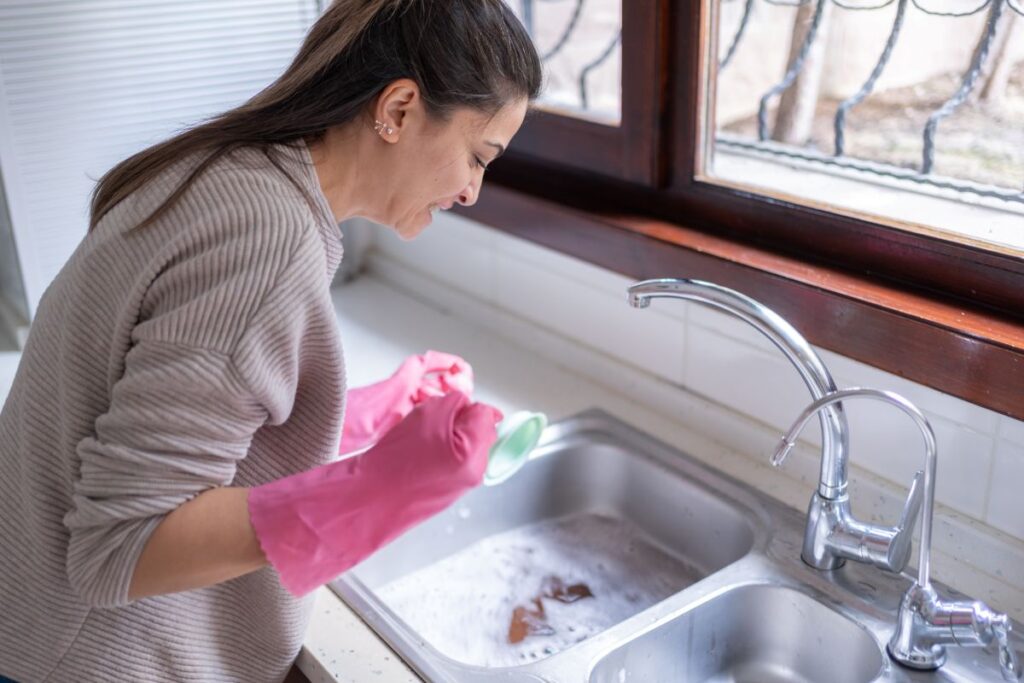
A single clog is localized. For example, if your kitchen sink is slow to drain but all other fixtures in your home work perfectly, the blockage is likely in that sink’s P-trap or drainpipe. These are typically caused by food waste, hair, or soap scum building up in one specific area.
A main sewer line clog, however, impacts the whole system. Think of your home’s plumbing like a tree: the small branches are the individual drain lines, and they all connect to the large trunk, which is the main sewer line. A blockage in a branch only affects that branch, but a blockage in the trunk affects everything. A main sewer line clog requires professional attention from an East Petersburg plumber to prevent a widespread sewer backup in your Lancaster, PA, home.
Signs of a Main Sewer Line Clog
- Multiple fixtures backing up simultaneously
- Gurgling sounds from drains or toilets
- Water backing up into showers or tubs
- Toilet bubbling or water level rising
- Foul, sewage-like odors from drains
Common Causes of Main Sewer Line Blockages in Lancaster County
Several factors can contribute to a main sewer line clog. Understanding the potential causes can help you recognize the complexity of the problem and why it requires a professional solution.
Invasive Tree Roots
One of the most frequent and destructive causes of sewer line blockages is tree root infiltration. The beautiful, mature trees found throughout Lancaster County have extensive root systems that are naturally drawn to the water, warmth, and nutrients inside your sewer pipes. Roots can enter through the tiniest crack in a pipe. Once there, they expand and create a dense mass that catches toilet paper and solid waste, eventually forming an impenetrable blockage that requires professional root removal.
Grease, Oil, and Fat Buildup
While it might seem harmless to pour cooking grease down the drain, fats, oils, and grease are major contributors to main sewer line clogs. When these substances cool, they solidify and cling to the inside of your pipes. Over months and years, this layer builds up, narrowing the pipe and trapping other debris until a complete blockage occurs. This is a common issue that requires powerful drain cleaning techniques in Lancaster County.
Sagging or “Bellied” Pipes
Over time, the soil around your sewer line can shift and settle. This can cause a section of the pipe to sink, creating a low spot or “belly.” This dip disrupts the flow of wastewater, allowing solid waste and debris to collect in the sagged area. Eventually, this accumulation will form a persistent clog that cannot be cleared with standard methods and often requires professional sewer repair.
Damaged or Collapsed Sewer Lines
The pipes that make up your main sewer line can break, crack, or collapse due to several factors. In older homes, pipes made of clay or cast iron can become brittle and fail with age. Shifting soil, heavy construction equipment driving overhead, or repeated freeze-thaw cycles can also cause pipes to break. A collapsed line is a serious issue that completely stops the flow of wastewater and requires immediate professional intervention.
Flushing Inappropriate Items
Your home’s plumbing system is only designed to handle human waste and toilet paper. Flushing other items can lead to a severe main sewer line clog. So-called “flushable” wipes are a primary offender, as they do not break down quickly like toilet paper. Other common culprits include paper towels, feminine hygiene products, cotton swabs, and dental floss. These items can easily snag on roots or rough pipe surfaces, starting a blockage that grows over time.
What to Do Immediately When You Suspect a Main Line Clog
If you suspect your main sewer line is clogged, ihe most important rule is to stop using all water. Do not flush any toilets, run any sinks, take a shower, or operate the dishwasher or washing machine. Any water you send down the drain will have nowhere to go and will be forced back up into your living space.
This is not just a plumbing problem; it’s a health hazard. Raw sewage contains harmful bacteria and pathogens that can cause illness. Protecting your family and your property is the top priority. Do not attempt to clear the clog yourself with chemical drain cleaners, as they are ineffective on large main line blockages and can damage your pipes. Your best course of action is to call for emergency sewer services right away.
Why Professional Sewer Service Is Essential
A main sewer line clog is a complex problem that requires specialized equipment and expertise. Our licensed plumbers at Lancaster Plumbing, Heating, Cooling & Electrical have the tools and training to accurately diagnose and safely resolve the issue.
Advanced Diagnostic Tools
Guesswork has no place in sewer line services. We use state-of-the-art video camera technology for our sewer inspections. A flexible, waterproof camera is fed into your sewer line, allowing us to see the exact cause and location of the blockage in real-time. This diagnostic step helps us apply the right solution, whether it’s a simple clog or a collapsed pipe.
Powerful Cleaning and Clearing Methods
For tough blockages caused by grease or roots, we often recommend hydro jetting. This method uses a high-pressure stream of water to blast away years of accumulated sludge, grease, and even intrusive tree roots, restoring your pipe to its original diameter. For solid obstructions, our powerful mechanical augers can break through and clear the line effectively.
Comprehensive Sewer Repair and Replacement
If our camera inspection reveals that the pipe is broken, cracked, or collapsed, cleaning alone won’t solve the problem. Our team is equipped to handle all types of sewer repair, from traditional excavation to modern trenchless methods that minimize disruption to your yard and landscaping. We’ll explain your options and help you choose the best long-term solution for your home.

Your Trusted Partner for Sewer Emergencies in Lancaster County
Dealing with multiple drains backing up is stressful, but you don’t have to handle it alone. A main sewer line clog is a serious issue that requires a fast, professional response. The moment you notice signs of a widespread blockage, stop using water and call the experts.
At Lancaster Plumbing, Heating, Cooling & Electrical, we have the experience and advanced equipment to handle any sewer backup in Lancaster, PA, and the surrounding areas. Our team is ready to quickly diagnose the problem with a video inspection and implement the right solution, from powerful hydro jetting to permanent sewer line repair. We’ll work efficiently to restore your plumbing and give you peace of mind.
If you’re facing a sewer backup in your Lancaster home, don’t wait for the problem to get worse. Contact Lancaster Plumbing, Heating, Cooling & Electrical today for fast and reliable emergency sewer service.