
Why Is My Water Heater Leaking?
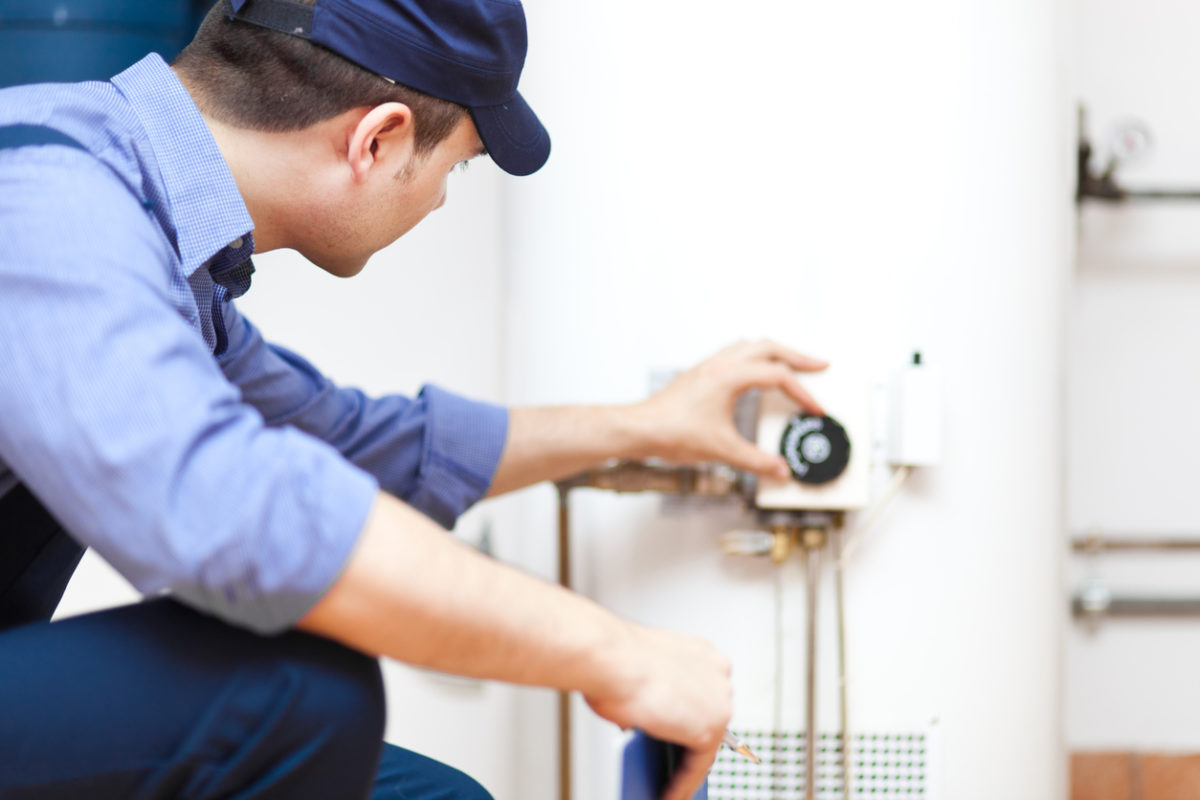
You head down to the basement and notice a small puddle near your water heater. At first, it looks harmless, but even a few drops can mean trouble. Leaks don’t fix themselves, and the longer water seeps out, the more likely you’ll face mold, property damage, or a complete system failure. For homeowners across Lancaster County, where many houses rely on older plumbing systems, catching the cause early can save both water and worry.
The Most Common Reasons Water Heaters Leak
When you ask, “Why is my water heater leaking?” the answer usually comes down to one of a few core problems. Some are simple to correct. Others mean it’s time to plan for replacement.
Loose Fittings or Connections
Vibration, age, or temperature changes can cause pipe fittings to loosen over time. The inlet and outlet connections at the top of your tank are common leak points. If you see moisture or corrosion around those joints, it might just need tightening, but if the leak continues, call a plumber to avoid stressing the tank.
Faulty Drain or Pressure Relief Valve
Your water heater has two safety valves: the drain valve (near the base) and the temperature and pressure relief valve (usually on the side or top). If either one sticks open, develops mineral buildup, or cracks with age, it can slowly leak. Never plug or cap these valves; they’re essential safety features that should be replaced by a licensed professional if faulty.
Sediment and Scale Buildup
Lancaster County’s water is naturally mineral-rich. Over time, calcium and sediment settle at the bottom of your tank, trapping heat and creating “hot spots.” This added stress can warp the metal and lead to small fissures that eventually leak. Flushing the tank once a year helps prevent this common local issue.
Corrosion and Age
If your water heater is 8 to 12 years old, internal corrosion may already be wearing through the tank’s steel lining. Rust around the base or discolored water are red flags that the anode rod is spent and the tank is deteriorating. Once corrosion sets in, replacement is the safest solution; no sealant or patch can repair a rusted tank.
Excess Pressure
When water heats, it expands. If pressure inside the tank rises above normal due to a malfunctioning thermostat or blocked relief valve, the system may leak at weak points to relieve stress. This is more than just an inconvenience; it’s a safety hazard that needs professional diagnosis right away.
What Happens If You Ignore It
A “minor” leak can turn serious overnight. Water spreads quickly under floors and baseboards, creating the perfect environment for mold. As the tank loses water, the heater runs longer to maintain the temperature, spiking your utility bills. In severe cases, the bottom of the tank can burst, releasing gallons of water in minutes.
When to Call a Professional
You can check for obvious causes, like tightening a loose connection or testing the drain valve, but anything beyond that should be left to a professional. Water heaters operate under high pressure and heat, and improper repairs can be dangerous. A licensed plumber can determine whether a repair will fix the problem or if replacement is the smarter long-term choice.
Trusted Water Heater Service Across Lancaster County
At Lancaster Plumbing, Heating, Cooling & Electrical, we’ve been helping local homeowners solve water heater problems since 1904. Our team provides fast, reliable water heater repair and replacement throughout Lancaster County and nearby communities. Whether the issue is a small valve leak or a corroded tank, we’ll find the source and restore your system safely.
Don’t wait for a small leak to cause big damage. Contact Lancaster Plumbing, Heating, Cooling & Electrical today to schedule your water heater service.